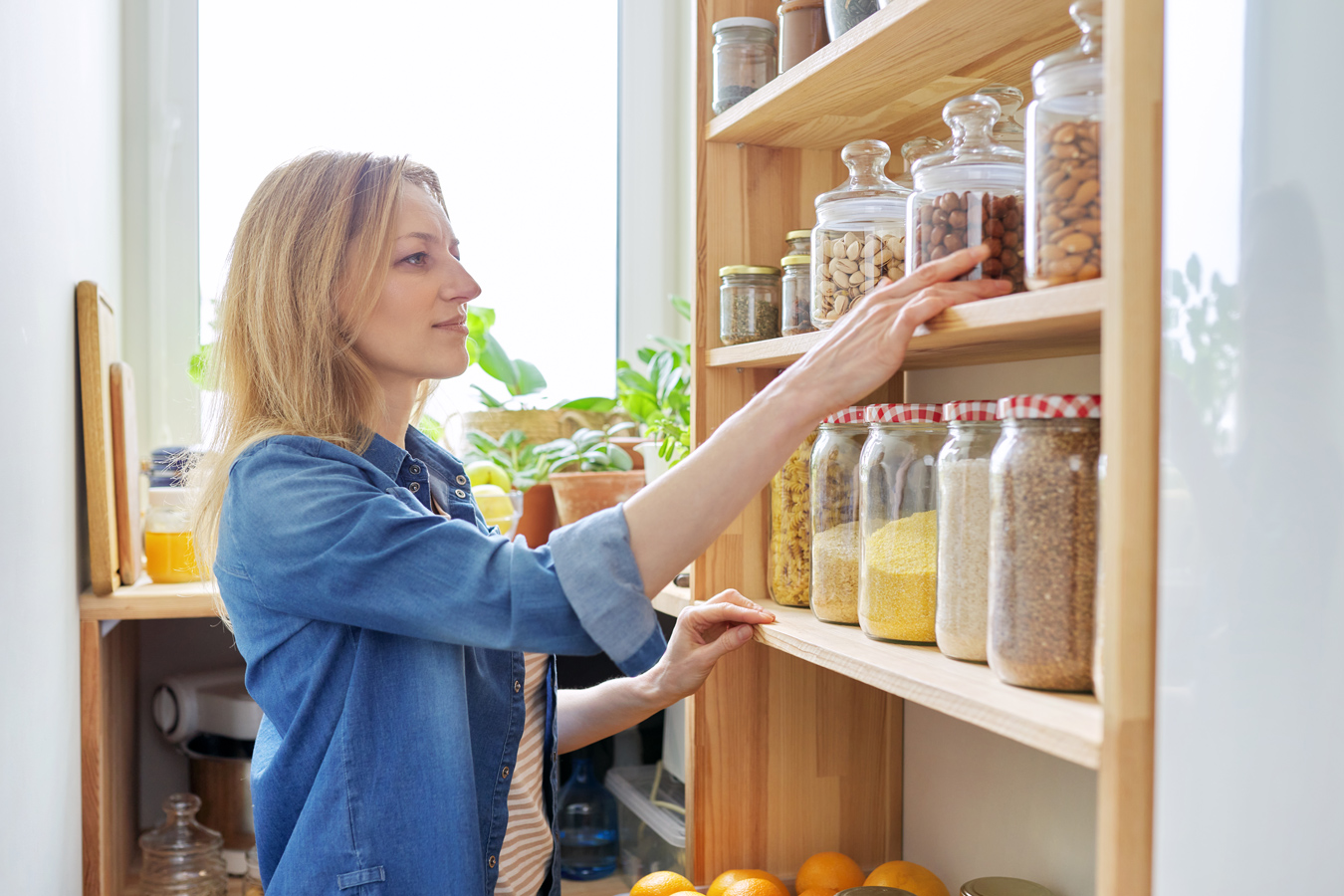
Preparing for difficult times and emergencies is not about living in fear. While we always hope that the worst-case scenarios remain just a possibility and never become reality, it is always wise to be prepared for anything. And to prepare on your own terms – calmly, thoughtfully, and without fear.
The emergencies that could occur do not have to be man-made – a thunderstorm, a prolonged power cut, a natural disaster can also cause uncertainties from days to weeks until the normal pace of life is restored.
To prevent such unexpected events from throwing you, your family, and your community off course, it is wise to prepare for such unexpected events to some extent, exactly as much as you can afford financially and time-wise in the present.
You have nothing to lose by prepping!
In the worst case scenario, you will simply have to use up your own food supplies over time. Medical Medium Anthony William has also mentioned that food prices will only go up over time, so stocking up on healthy food today that will last 3, 5 or 10 years is even a financially sound investment.
In this article, I hope to provide a comprehensive answer to the following questions:
- What’s the most important thing about prepping for emegencies?
- What to stock up on?
- How much food should you store?
- Isn’t this living in fear?
- I don’t have the money to buy extra food, what should I do?
- I don’t have enough space in a small apartment, what can I do?
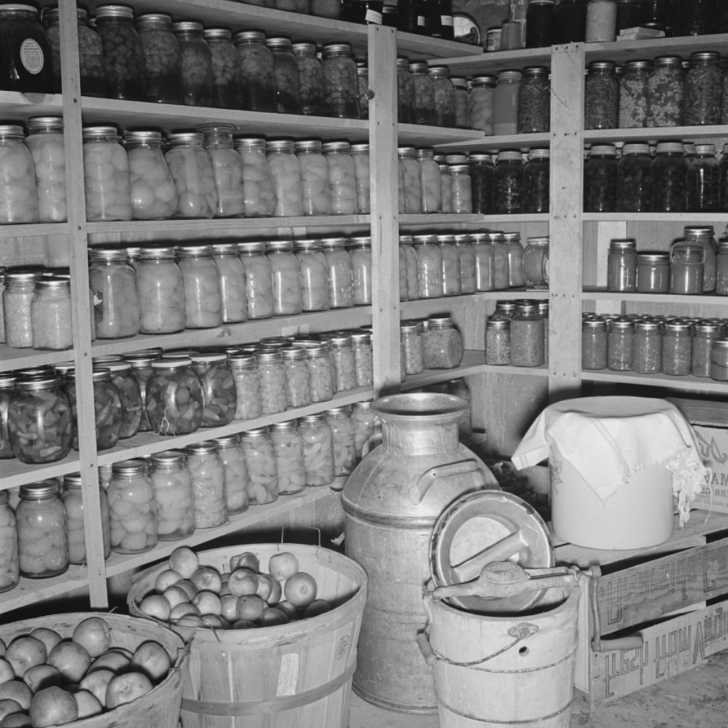
What was considered normal 100 years ago is now considered living in fear?
A hundred years ago in Northern Europe, a large part of society, such as the peasantry and farmers, were able to live their whole lives relatively independently. They had their own food supplies set aside, their own water coming from the well, their rooms heated with wood – that’s how they lived. Domestic food supplies often amounted to half a year’s supply or more.
These people were not living in fear. It was just their reality, a sensible and sustainable way of living. Why do we nowadays call it living in fear and even being extreme?
Stocking up on food, especially in our cold climate, is perfectly normal and could easily be part of more people’s lives – we just need to do it in a modern way.
2 most important steps to prepare for any crisis
- Step 1: The first thing to know is that it is always worth investing in knowledge and skills, and to think through a plan of action and a crisis plan with your family.
It is also recommended to write down the plan on paper, so that the paper can help keep the calm in the middle of a crisis 😉. - Step 2: The second important step is to stock up on food, water, supplies, and other essentials.
Overall, if you have at least two weeks’ worth of water and food at home, you’re already better off than 80% of the people today.
You don’t have to run to the store right this second – you can start your preparations calmly and grounded. I’ll do my best to inspire you with this article and share good practical suggestions that have worked well in my personal life.
Food reserves for 14 days – a great goal to work towards!
Typically, most crises resolve or at least find some clarity within 14 days. For example, power cuts and storm damage are usually resolved within a few days. And even if a crisis doesn’t go away in a week or two, you’ll still have the opportunity during this time to co-operate with other people and come up with new creative ways for coping.
If it is not possible to keep a 14-day supply at home…
…Then it’s a good idea to talk to your friends or relatives about maybe storing your stock with them.
What to stock up on?
I’m sharing a list of things I recommend you consider buying and stocking up on. In this point in time we have everything readily available in store, so it’s a good time for stocking up.
At the end of the article, I’ll also share a simple solution on how you can stock 2 weeks’ worth of food for your family with a one-time purchase of just €100, thereby boosting your family’s confidence.
Before I get to the list, let’s start at the beginning. At the most basic, physical level, we only need to secure 4 areas of life to survive.
These are:
- Water
- Food
- Shelter / housing
- Energy
No 1: Water
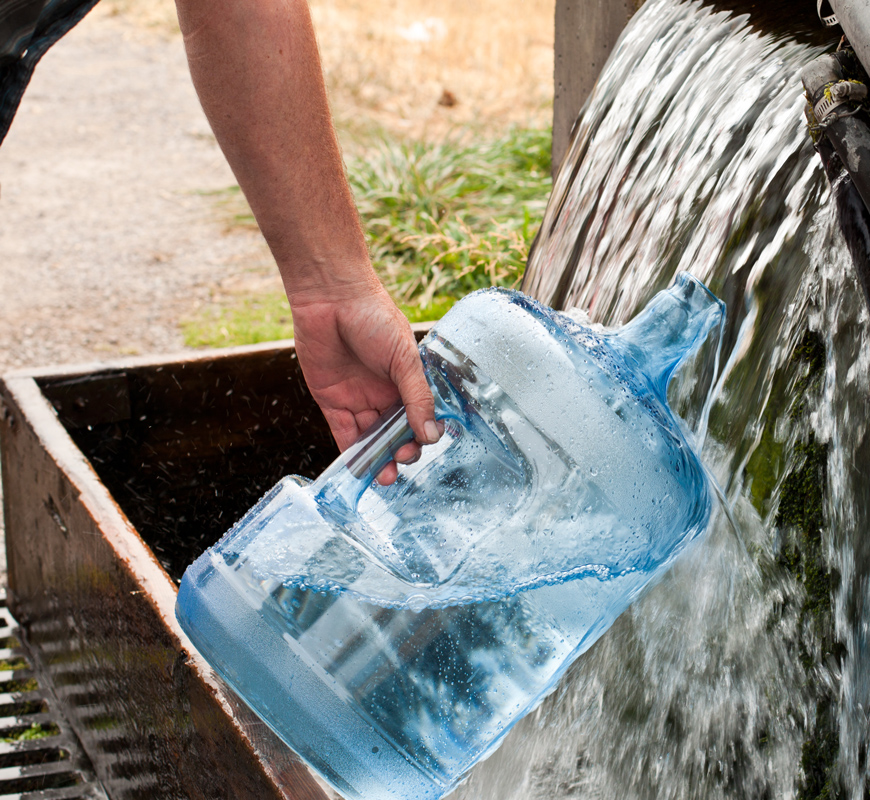
When it comes to water, it’s worth knowing that on average, people consume 3 litres (100 oz) of water a day. This means both for drinking and for preparing meals. So, for a family of four, 12 litres (400 oz) per day.
For two weeks’ supply, one would need a large 200 litre (55 gallon) water barrel that could be placed somewhere in the house if you don’t have your own well. However, if you live in an apartment building, you might want to consider 3L water containers, having at least a few among your supplies. You probably won’t need or fit 60 canisters, but at least 3, preferably 5-10 such canisters would be a good idea. If you live in an apartment building, you might want to think through your plan about where you could get more water when you run out of tap water.
In addition to storing water, you need to know how to purify it and make it drinkable if, for example, the electricity goes off. Water filters and small gas burners to boil/disinfect water can be very useful.
No 2: Food
The average adult needs between 2000 and 2500 kcal of food per day, but in times of need we can survive on less, such as 1500 kcal.
When we are doing hard physical work – for example splitting firewood – we need well over 3000 kcal a day. Young children need less ~1000-2000 kcal per day. However, from the age of 13 you can expect a child to eat a comparable amount of calories per day to an adult.
An example of a family of 4 and its needs:
Mum, dad and 2 children. Children aged 4 and 13.
Calorie requirement for the whole family ~7500 kcal/day.
Water requirement ~12L/day (for drinking and cooking).
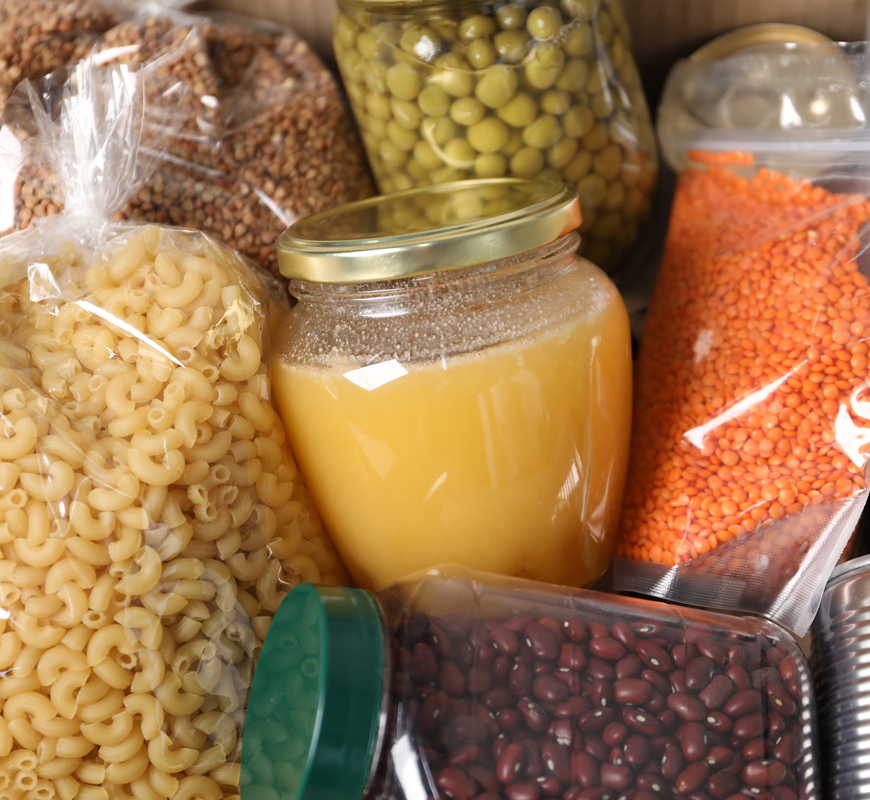
I’ve compiled a list of healthy whole foods for you with a long shelf life.
This list also takes health aspects into account. This means that there is no dairy, gluten, eggs, foods with unproductive additives, etc on this list.
You certainly don’t have to have all these foods gathered at home. Rather, take this list as a guide (you can also print it out) and adapt it to your situation.
Ready for everything!
List of foods with long shelf life
- Grains (calorie source)
- Millet
- GF oat flakes
- Sorghum
- Quinoa
- Buckwheat
- Rice (white rice keeps better, brown rice is better for health)
- Dried beans, lentils, peas, chickpeas
- Canned beans, lentils, peas, chickpeas
- Pasta products, such as pea pasta, rice noodles, mung bean noodles.
- Various flours such as oat flour, rice flour, chickpea flour, potato starch.
- Tomato paste (without citric acid and natural flavors)
- Sprouting kit & seeds (eating fresh food is a source of vitamins and elevated biotics)
- Honey
- Maple syrup
- Dried fruit, for example
- Dates
- Pears
- Apricots
- Raisins
- Figs
- Nuts and seeds
- Dulse flakes, nori leaves and other sea vegetables
- Sun-dried tomatoes
- Coconut milk
- Tahini
- Freeze-dried superfoods (regardless of the date of packaging, freeze-dried products will actually keep for more than 10 years).
- Spirulina
- Barley grass juice powder
- Freeze-dried berries such as wild blueberries
- Freeze-dried red pitaya (dragon fruit) powder
- Dried herbs and herbal teas
- Fruit spreads & sauces (without added sugar or citric acid)
- Frozen food. (Not every crisis means a power cut, and even if the power goes out, you could plan to start eating the frozen products first.)
- Berries (blueberries, raspberries, strawberries, mango, cherries, etc.)
- Vegetables (peas, broccoli, Brussels sprouts, etc.)
- Fresh food
- Bananas (fresh and frozen)
- Garlic, ginger, onion
- Potatoes and other vegetables that keep well
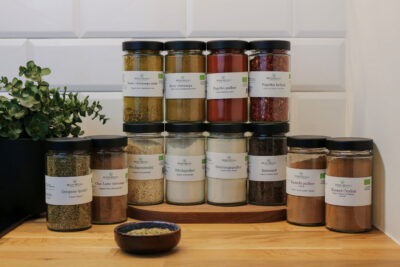
- Spices and herbs
- Onion powder
- Garlic powder
- Thyme, oregano, sage, rosemary, basil, etc.
- Turmeric
- Cilantro
- Paprika powder
- Sea salt
- Supplements (in addition to your first aid kit) – Medical care may not be easily available during a crisis. It’s worth knowing how to keep yourself healthy and stay well.
- B-12, Zinc, Lemon Balm, Vitamin C
- Other essential supplements you need, for example L-lysine, Magnesium, Cat’s claw, Liquorice root and Curcumin.
- The first aid kit may also include silver hydrosol (e.g. Sovereign Silver) and propolis (Vimergy PropolisPure).
- Don’t forget your pet’s food supply.
3. Shelter
You probably have a shelter, but this is more of a brainstorming exercise in case the existing shelter/habitat is no longer suitable for whatever reason.
For example, if you live in a colder climate and you cannot heat your house or apartment for some reason and need to think about temporarily moving – do you have relatives you can count on, and access to a car with enough fuel to get to them?
4. Energy
Mainly for fuel and heating. In the event of a power cut, most modern houses will also lose their heating, so think about whether it is possible to prepare for that scenario as well.
Buying an electric generator, stockpiling fuel or, in some cases, investing in solar panels are the options available today. Wood-based heating solutions are also suitable.
Other equipment to think about
- Rubber gloves
- Disinfectant wipes
- Flashlights and spare batteries
- Candles
- Crisis radio
- Respirator / face mask
- Air purifier
- First aid kit
- Toilet paper and toiletries
- Cash
In addition, according to the situation
- Prescription medicines (if you need them).
- Travelling gear (if you know you’ll have to leave home during a crisis)
Don’t let a long list of things stress you out. Again, you definitely don’t need all the things on this list – especially if you live in a city. There may not be room in your apartment to store all this stuff anyway.
Our bodies are surprisingly resilient!
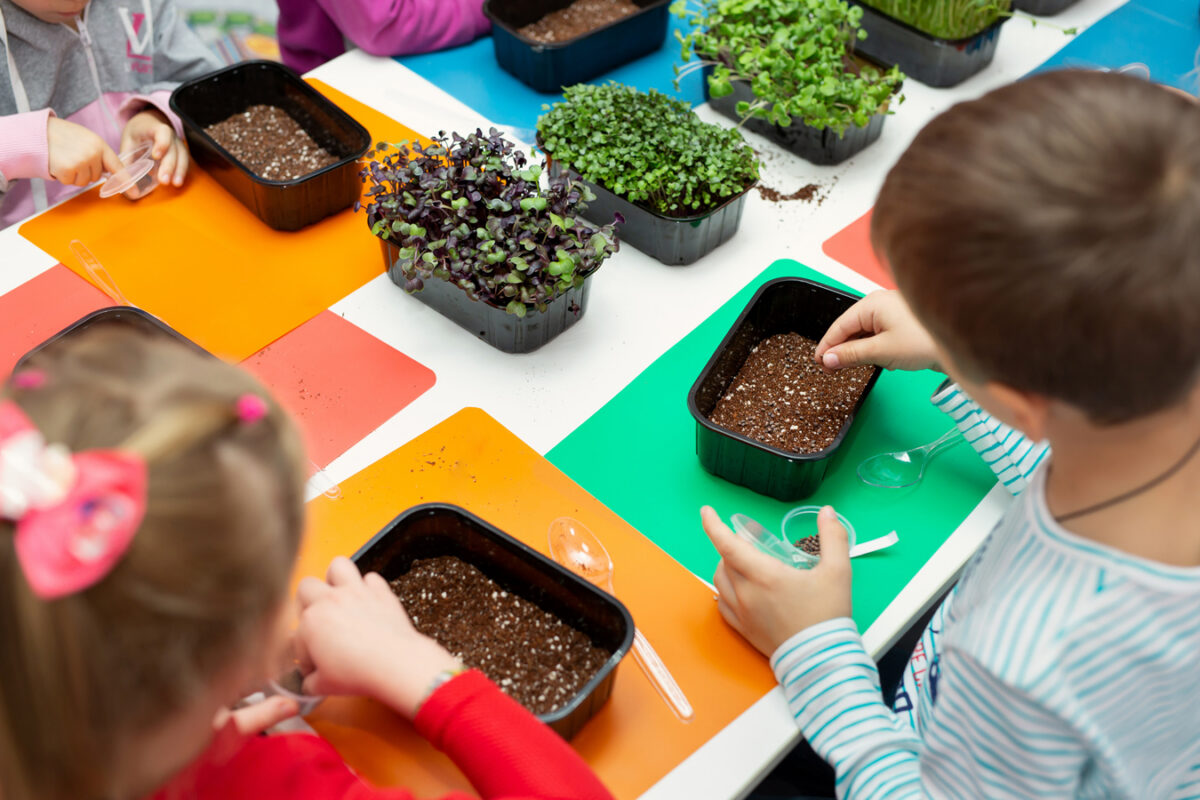
Although the above list is quite long, some things in the list you only need a small amount. Assuming that you are currently eating a varied diet and are not actively battling a serious illness that may be causing your body’s vitamin reserves to be low, your body will be able to cope for quite a long time on a monotonous diet. For example, eating mostly only grains. However, this is not ideal and therefore we recommend to learn how to grow sprouts and microgreens at home.
What do I think about the pre-made crisis & hiking food kits?
In general, I would not recommend them. Travel and crisis kits tend to contain unnecessary additives, many of them are of low nutritional value and the cheaper ones can taste pretty bad. Why make a crisis situation even more difficult for yourself with food that does not taste good and makes you feel bad?
Hiking food kits can be 35x more expensive than regular food
You can sometimes find clean and tasty food kits, but their prices are quite hefty and they’re not designed for domestic crisis situations. They are mostly for hiking – where the overall weight of the backpack is very important.
For example, one of the freeze-dried dishes available on the market, 100g: tasty, pure and well preserved, contains ~470kcal, but costs ~7€/pack. It would cost €21 to cover one person’s daily needs. For the whole family it would cost ~84€/day.
Let’s compare this with dry rice, for example. You can get the same amount of calories for €0.15 from rice, or for €0.20 from lentils. This means that the price difference is ~35x if you only measure the calorie ratio. But of course we don’t want to eat only cooked rice. Add seasonings, tomato paste and whatever else is available in the cupboard and you get a decent 500+kcal meal for just €0.50 – €1. The whole family can be fed on a budget of 5-10€ a day, even in the middle of a crisis.
Make your own crisis kit!
I’m sharing with you what I think is the simplest, cheapest and most realistic meal kit for emergencies.
Grains with long shelf-life in a sealed container
You will need:
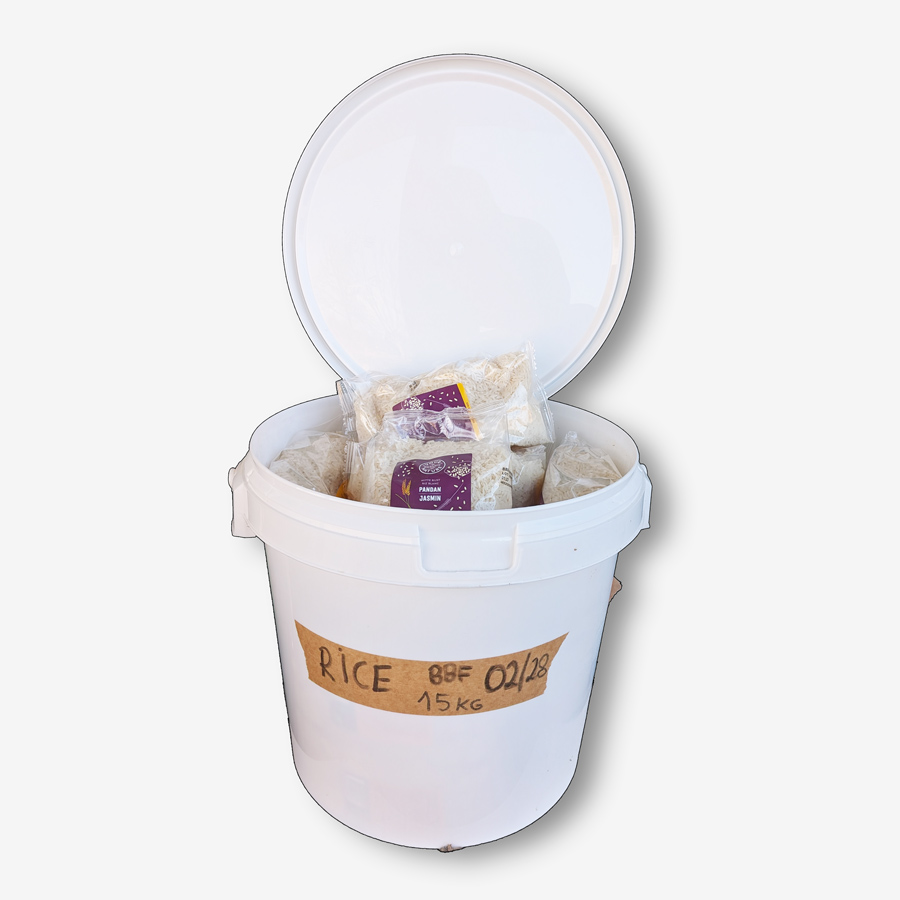
- 20L (5 gallon) plastic container with lid – for example this bucket
- 15kg (33 pounds) of grains – for example white rice, oats, lentils, millet or buckwheat
(Preferably in 500g – 1kg packages)
Instructions:
Fill a 20L (5 gallon) container with preferred grains or legumes – for example white rice. Arrange the grains in the container in their original packaging, for example in 500g/1kg packs – this will help to maintain the hygiene of the whole batch after the lid has been opened. If something goes wrong, the whole container won’t go bad at once. Once the container is filled to the brim with produce, seal tightly with the lid (you can also add silica gel packs/moisture absorbers to the bucket, but this is not essential) and label the bucket with what’s inside and the ‘best before’ date on the produce.
Store this bucket in a dry, dark and cool (~20°C is okay) room, lifted up from the floor – for example on a wooden stand or on a shelf.
Main dangers with long-term food storage
- Pests – mice and moths. Mice should not be let to enter the storage room. Mice can chew a hole in the thick plastic bucket over time. Moths won’t chew through thick plastic, but they will chew through light plastic.
- Moisture – high humidity will eventually seep through practically anything. Also, plastic is actually porous, and if moisture gets into food, it can cause the food to go moldy more quickly.
Why is it not recommended to store the container on a concrete floor or in a basement?
Because even the tightest plastic will eventually let moisture through, both through the walls and through the bottom. A cold and damp concrete floor in an otherwise dry room will shorten the life of the food in the bucket. Lift the container off the floor, even just on a simple wooden board, and you’re good to go.
Food can keep for up to 20 years
Under ideal conditions, white rice will keep for up to 20 years when stored that way. But realistically, I would renew the contents of this container every 3 to 5 years. For the food supplies to be naturally renewed, it is important to use the food your family eats regularly.
How long will one 20L container with ~15kg of food last?
15kg of dried white rice contains about 55 000 kcal. 100g of dried rice – 350-370 kcal. Sounds like a lot, but for a family of 4, that’s about 7 days’ supply.
Lentils, buckwheat, oats and similar grains and legumes contain similar amounts of calories in dried form. 15 kg of carbohydrate-rich food means somewhere between 52 000 – 60 000 kcal.
So, to simplify:
- 1 container = 28 days’ supply for one adult.
- 1 container = 7 days’ supply for 4 people.
A family of 4 would need to put together 2 of these buckets in order to get two weeks’ food. For example, one bucket of dried rice and one bucket of dried lentils/beans.
How much does such a bucket cost? (as of spring 2026)
- 2 x containers with lid ~14€
- 30kg of rice: 15€ – 90€
The cheapest rice is somewhere around ~0.50€/kg. However, I would not recommend the cheapest option unless you are 100% sure about the taste and quality of the rice.
Conventional rice of slightly higher quality – 2-3€/kg, organic rice – 4-5€/kg.
NB: Buy grains that you would actually eat during a crisis. :)
With an investment of €100 and a bit of hustling, your family will have two weeks’ worth of emergency calories covered (assuming you have the option to boil clean water).
Instead of using rice, you can assemble a mix of lentils, buckwheat, millet, beans and other filler foods, for about 100-150€.
In conlusion
It’s a good idea to have at least 7-14 days’ worth of food supplies at home. I would say that 80-90% of problems will be covered with that time. But don’t forget to invest in your knowledge and skills as well. I don’t know about you, but for me, having a small stockpile of food at home gives me peace of mind, boosts my confidence and reduces my fear of future events.
Wishing you a peaceful and fear-free life,
Erki from PureNature