


 Cashews
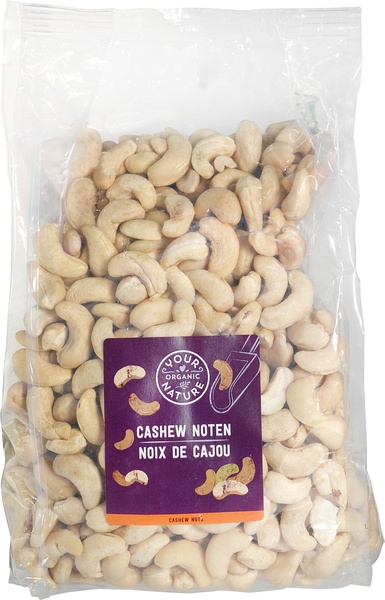
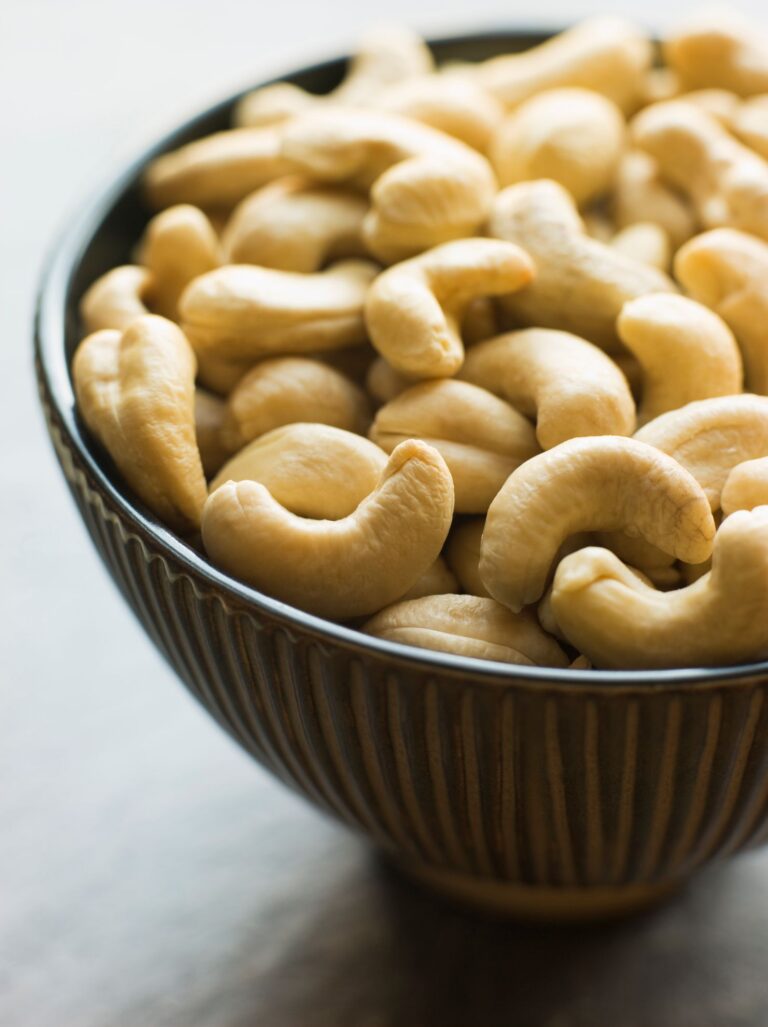
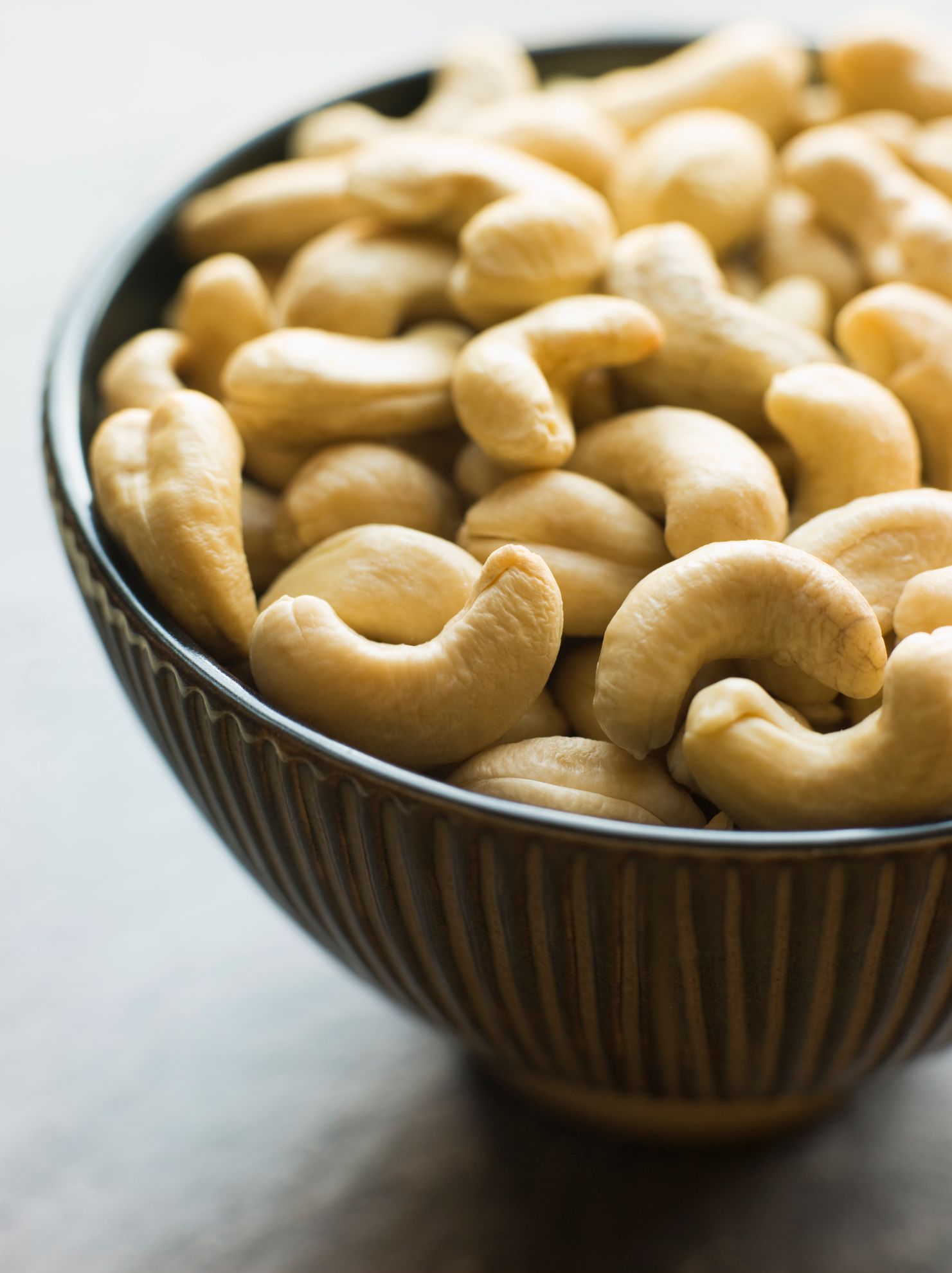
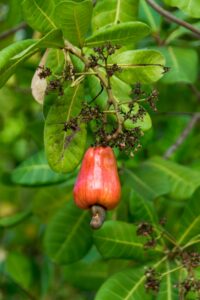
The cashew nut is the fruit of the tropical evergreen cashew tree (Anacardium occidentale). Cashew is one of the world’s most prized nuts because of its mild, slightly sweet flavour and creamy texture. Cashews originate from tropical regions and are widely grown in Asia, Africa and South America.
Origin and growth process
Cashew originated in South America, but has now spread all over the world. Today, the largest producers are the Ivory Coast, India and Vietnam. Our cashews come from the Binh Phuoc region in southeast Vietnam. Thanks to its favourable climate, this is the best region in Vietnam for growing cashews.
The cashew tree is grown in tropical climates and is well suited to hot lowlands with a distinct dry season; mango and tamarind trees also grow well in similar conditions. The traditional cashew tree is tall, up to 14 m, and requires about 3 years from planting before the first cashews grow there, and about 8 years before an economically viable harvest is obtained.
Processing and safety
All cashew nuts undergo the necessary heat treatment and shell removal process to ensure they are safe for consumption. The term “unroasted” means that the nuts have not been browned, but they have still been properly processed.
Taste and use
Cashews are known for their soft and buttery taste. Apart from being a snack, cashews are suitable for use in many different dishes.
They are a perfect fit for:
-
Snacks and nut mixes,
-
Asian dishes (e.g. curries and stir-fries),
-
Salads and rice dishes,
-
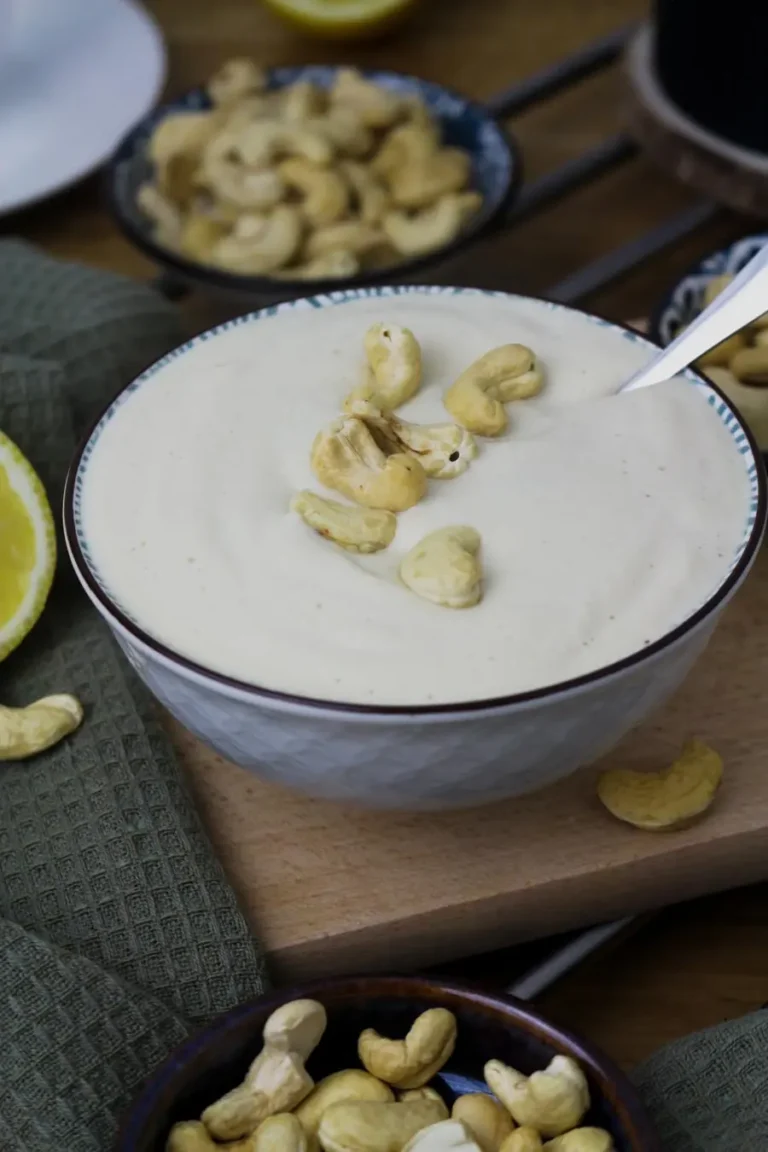
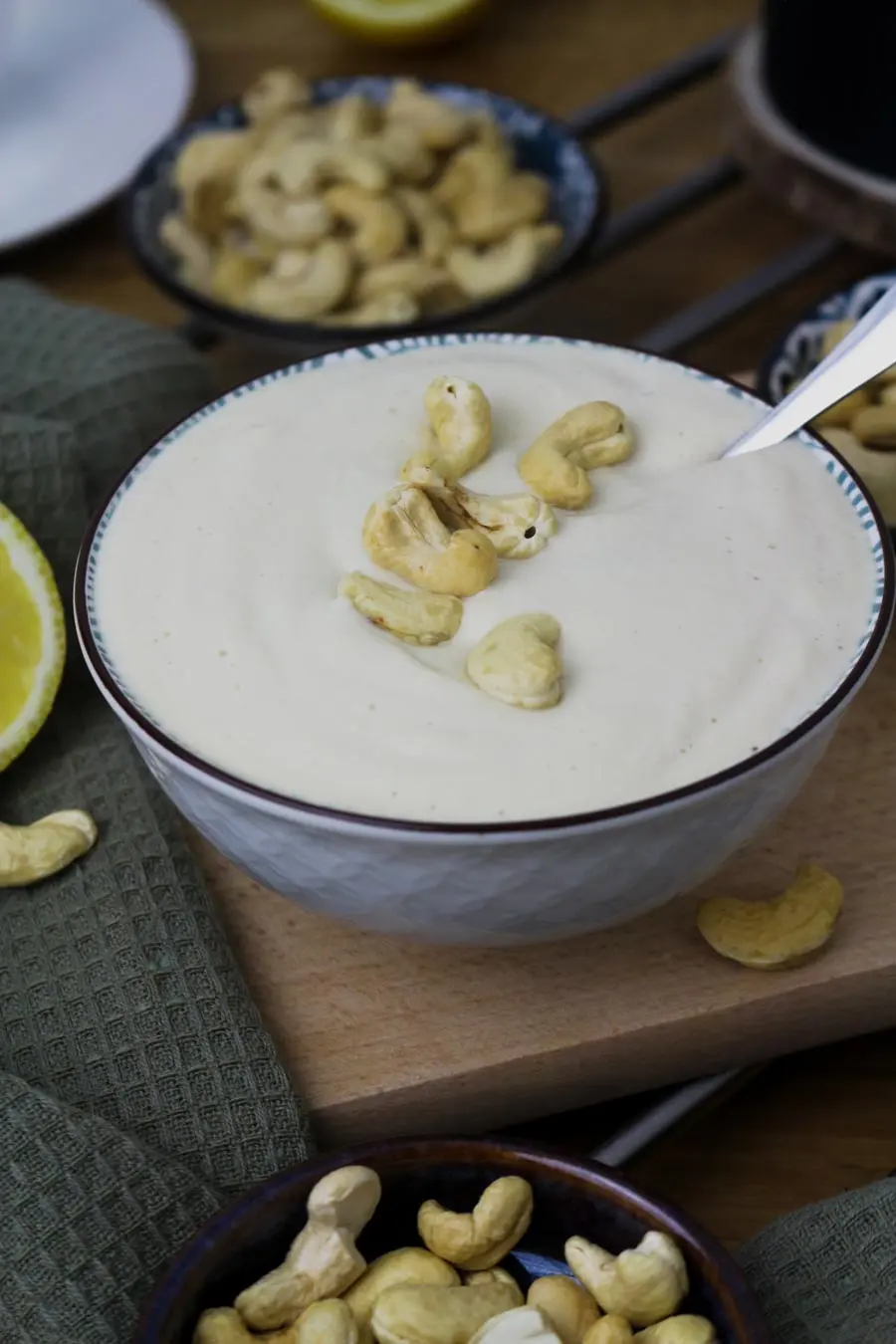
Vegetable sauces, cheeses and creams, as a main component,
-
Cashew nut butter
-
Pastries and desserts.
You will find lots of recipes with cashews in the recipe collection. One of our favourites is the vegan mayonnaise recipe here.
It’s often good to soak cashews before use. After soaking and blending, cashews become particularly silky, which is why they are prized in almost every plant-based cuisine.
How to soak cashews?
Slow soaking (best for creamy dishes)
-
Put the cashew in a bowl.
-
Cover them completely with cold or room temperature water.
-
Leave to soak for 2-4 hours or even overnight, up to 8 hours.
-
Strain and rinse with clean water before use.
-
Cover the cashews with hot water.
-
Soak for 20-30 minutes.
-
Strain and rinse.
Suitable for when the nuts go into a high-speed blender or when you are in a hurry.
Allergy information and storage:
Cashew is considered an allergen. They can cause allergic reactions in sensitive people. Please always check the allergen information on the packaging. For best preservation, keep product in a dry and cool place, out of direct sunlight, sealed airtight after opening; after soaking, store in a sealed container in the refrigerator for up to 24 hours. May contain: gluten, soy, sesame.

Reviews
There are no reviews yet.